
Phase 1: desk research and initial data collection
The research starts with desk-based work and initial data collection, followed by field research from July.
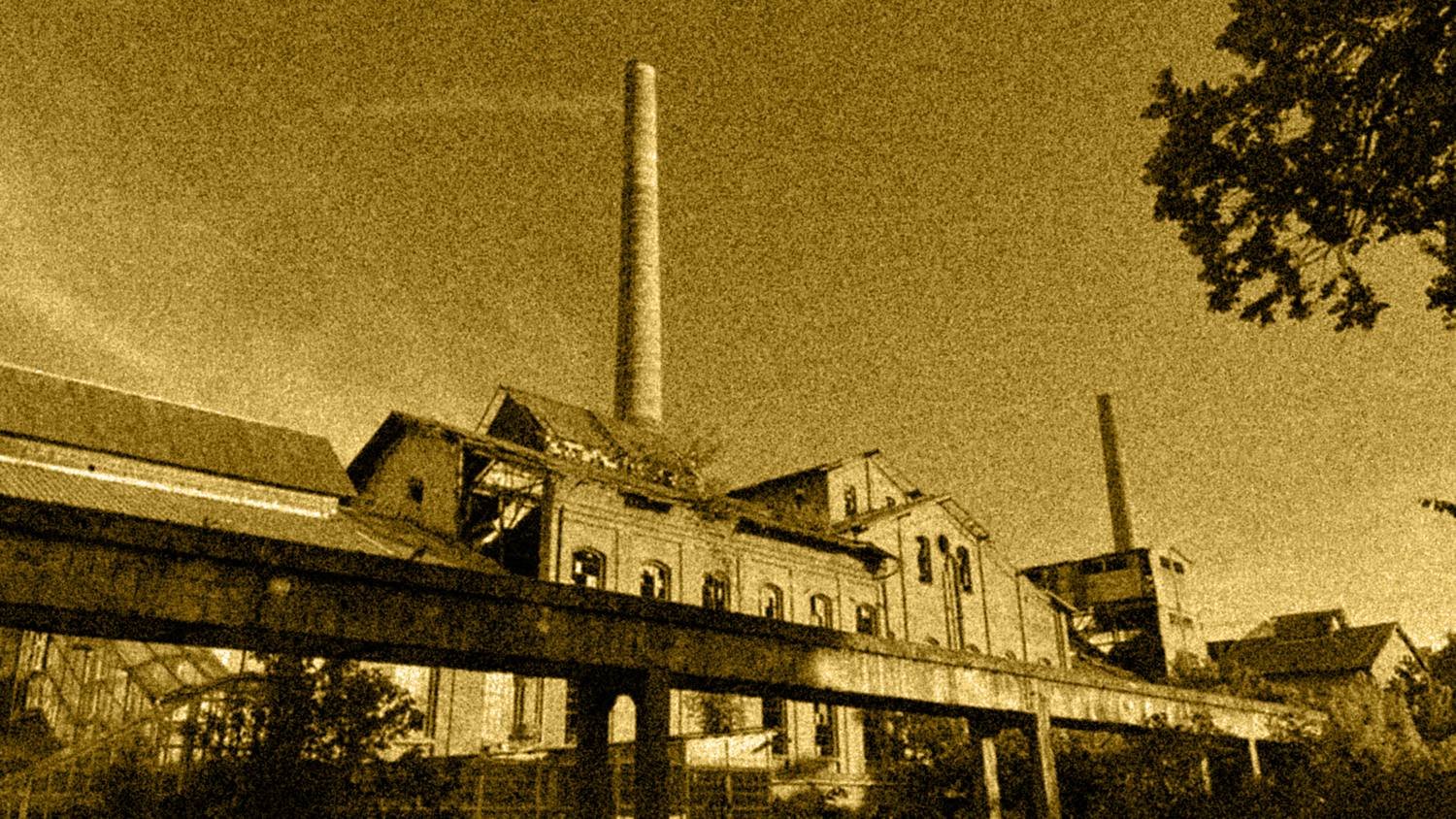
Belgrade’s former industrial zones hold stories of work, community, and everyday life. Today, people live, create, and invest here. Their transformation opens up new opportunities, but also risks losing valued buildings, memories, and connections between people.
We examine their history, current users and residents, owners, cultural and economic practices, forms of everyday life, conflicts, and transformation scenarios — through three interrelated fields: memory and identity, economics and development, and culture and lived practices.
Our research brings together different perspectives to understand what these places mean to people, who shapes their future, and how development can go hand in hand with preserving heritage.
Who determines the future of these territories, and on what basis? Who participates in decision-making, who benefits, and who bears the costs of transformation?
Placeholder content — names, positions, photos and quotes to be added

The research is carried out with the support of the Institute for Urban Development “POLIS”.
We invite organizations, studios, institutions and experts to take part: share data and expertise, join the expert discussions, and help bring the findings to the book and the conference.
Become a partnerThe research starts with desk-based work and initial data collection, followed by field research from July.
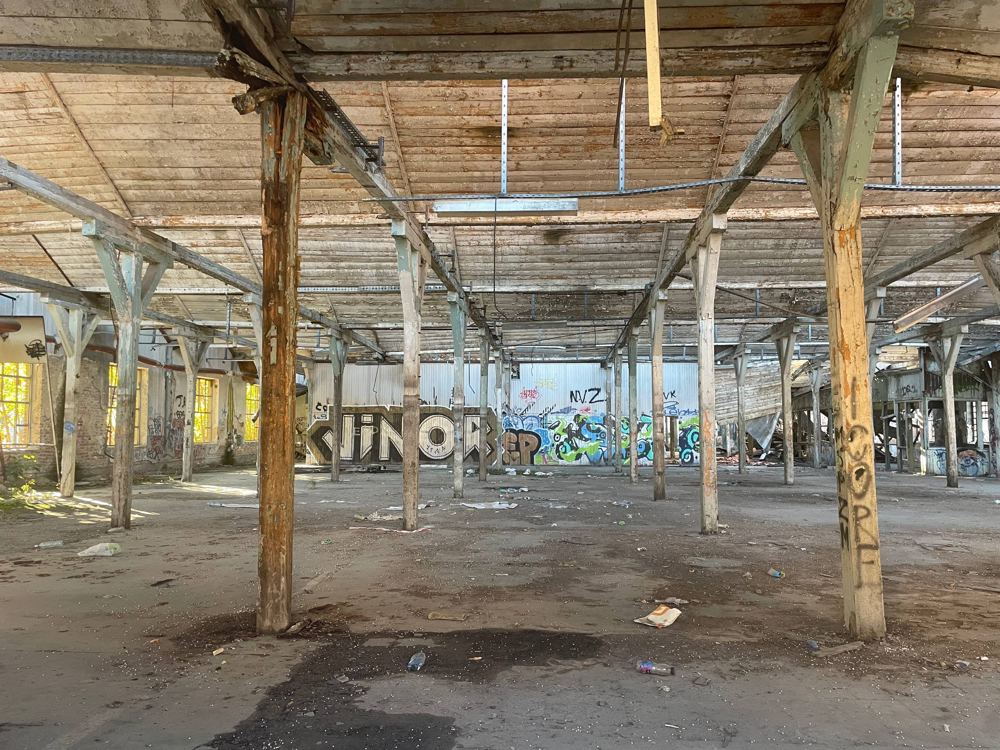
Defining the research problem and preliminary hypotheses; stakeholder and expert analysis starts.
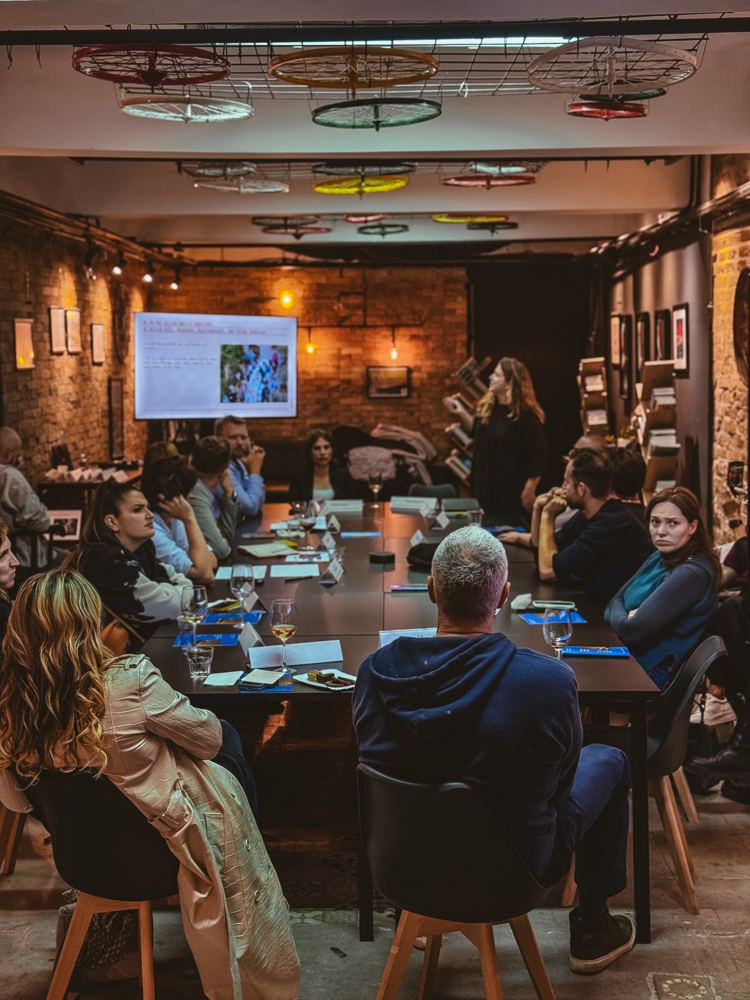
A two-part discussion: values of industrial areas (layers of memory, culture and living practices) and economy and development (who pays, and how to balance development with preservation).
View on Instagram →Questions about the research, ideas, or a proposal to cooperate — send us a message.
semgudd@pulseurban.rsA non-profit organization promoting sustainable urban development and research-driven urban design in the Balkans.
While you wait for the research news, download: